-
“Aiki is Love”: The Spiritual Foundation of Aikido
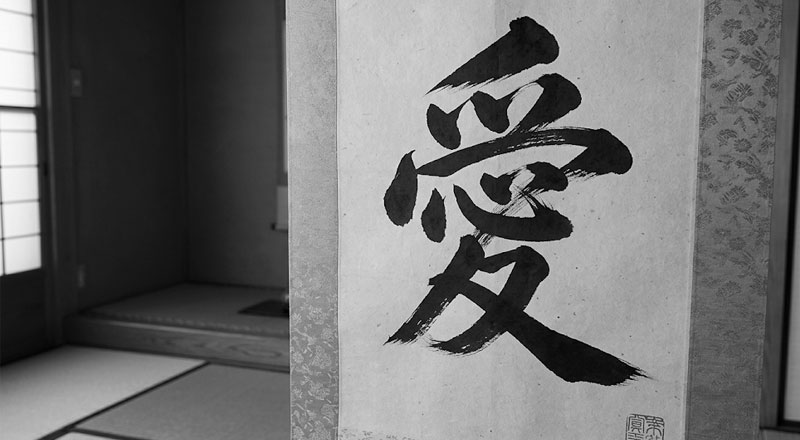
One of the most frequently cited statements attributed to Morihei Ueshiba, the founder of Aikido, is the philosophical declaration beginning “Aiki is love” 「合氣とは愛なり」. This statement appears in the text “The Spirit of Aikido”「合氣道の精神」used in Masseikan 万生館 Aikido, where students recite the passage at the beginning of class. Historians generally consider the text to be a post-war compilation or summary of Ueshiba’s teachings rather than a single original essay written directly by him. Nevertheless, the passage captures the essence of the spiritual philosophy that Ueshiba articulated in the later decades of his life. The text reads as follows: 「合氣とは愛なり。天地の心を以って我が心とし、万有愛護の大精神を以って自己の使命を完遂することこそ武の道であらねばならぬ。合氣とは自己に打ち克ち敵をして戦う心無からしむ、否、敵そのものを無くする絶対的自己完成の道なり。而して武技は天の理法を体に移し霊肉一体の至上境に至るの業であり、道程である。」 A direct translation reads: “Aiki is love. Taking the heart of…
-
Beyond Opposites: Rethinking Ju and Go in Aikido Philosophy
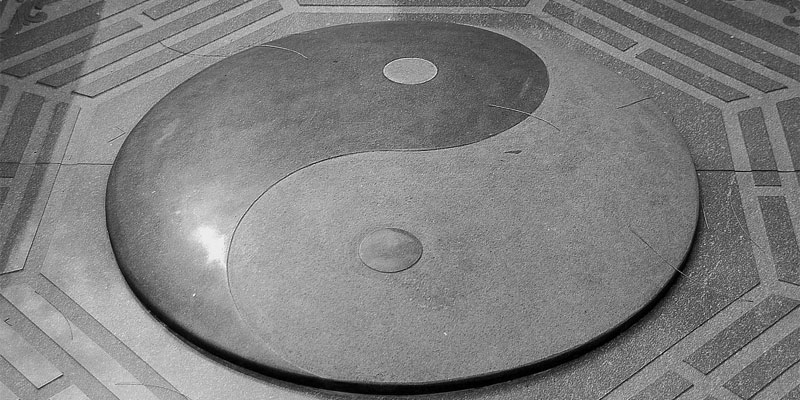
Ju 柔 (Softness) and Go 剛 (Hardness) are terms frequently used in martial arts. Conceptually, we often refer to a martial art or style as being “soft” or “hard”, but is this a meaningful or accurate expression? What are the true meanings of 柔 and 剛? Before diving into the details, let’s start with the question of whether it should be written as 剛柔 (Go-Ju) or 柔剛 (Ju-Go). Historically, 剛柔 is the more traditional and commonly seen order in Chinese classics and early Japanese literature. This form appears in ancient political and philosophical texts, such as Confucius’s Zhong Yong 中庸 (The Doctrine of the Mean) and the military treatise The…
-
Purification of Body and Soul: Misogi in Japanese Culture and Aikido
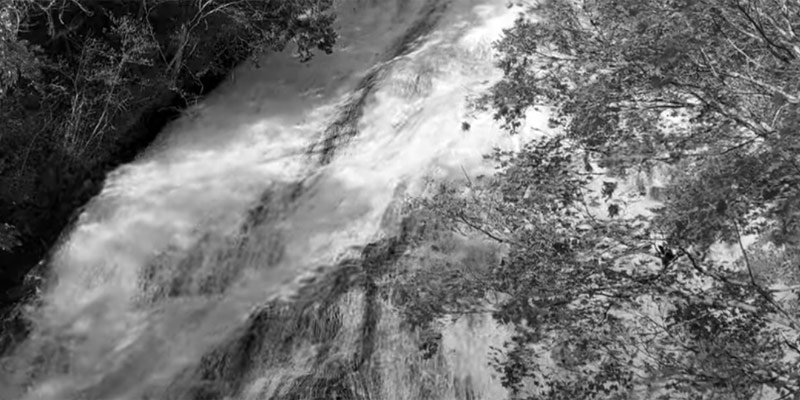
Misogi 禊, deeply rooted in Japanese culture and religious tradition, is a ritual of purification aimed at cleansing both the body and the spirit. Typically, the ritual involves immersing oneself in water, often a natural body of water like a river or waterfall, to wash away impurities and negative energies. The attire is typically white garments, but in many cases, men may wear a loincloth. The practice dates back centuries, and it is said to originate from Izanagi 伊邪那岐, a kami in Japanese mythology, who felt contaminated and purified himself with water after his visit to Yomi 黄泉, the world of death, to see his deceased wife Izanami 伊邪那美. Misogi…